
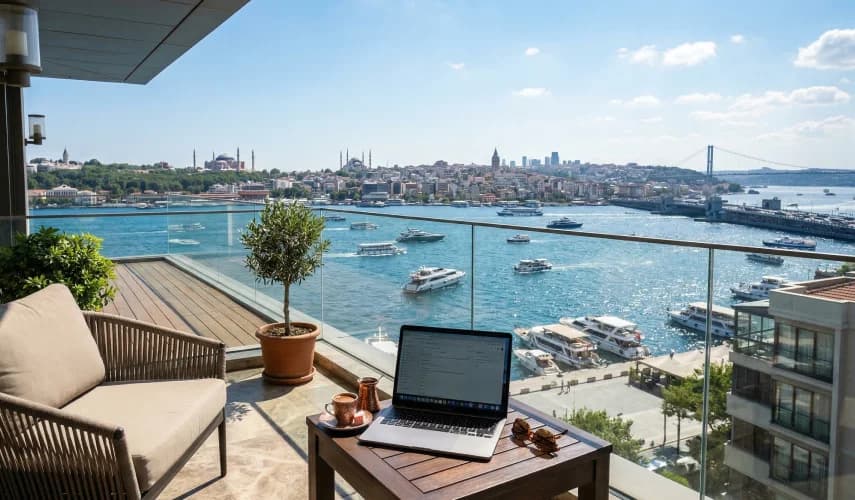
If you are a prospective property investor, expat, or digital nomad considering a move to Istanbul in 2026, you’ve likely encountered a polarizing narrative. Headlines highlight domestic financial volatility, while luxury lifestyle publications rank Turkey among the most desirable and financially advantageous destinations in the world.
So, what is the real story?
The reality of living in Turkey is defined by a profound economic duality: a challenging environment for those earning in the local currency, contrasted with an unparalleled, premium lifestyle for global citizens, remote workers, and investors operating with foreign capital. This comprehensive guide decodes these narratives. We’ll explore the precise cost of living, 2026 real estate market conditions, hidden buying costs, and the true value proposition of investing in Istanbul today.
Table of Contents
- Expat Lifestyle in Turkey: High Satisfaction Amidst Economic Shifts
- Cost of Living in Istanbul Compared to Western Cities
- Istanbul Real Estate Market Analysis and Investment Opportunities
- Pathways to Turkish Residency and Citizenship by Investment
- Quality of Healthcare and Infrastructure in Turkey
- International Schools and Education Options for Expats in Istanbul
- Istanbul Cultural Renaissance and Gastronomy Scene
- Frequently Asked Questions About Relocating to Turkey
Expat Lifestyle in Turkey: High Satisfaction Amidst Economic Shifts
To understand Turkey's quality of life, we must look at who is being surveyed. For the domestic workforce dealing with inflation and the Turkish Lira's depreciation, the economic strain is real. However, for the expat community, a vastly different picture emerges.
The HSBC Expat Explorer survey (collating insights from over 18,000 foreign employees) ranked Turkey as the 7th best country in the world for expats to live and work, placing it ahead of Germany, the UAE, the US, and the UK.
Why do expats love Turkey? According to the data:
- 62% reported their overall quality of life increased after moving.
- 60% achieved a better work-life balance.
- 69% stated they felt entirely safe, highlighting the welcoming local culture.
The secret? The currency arbitrage. For those earning in USD, Euros, or GBP, a weaker local currency massively boosts purchasing power, allowing you to swap a high-cost lifestyle in cities like London or New York for a superior quality of life in Istanbul at a fraction of the cost.
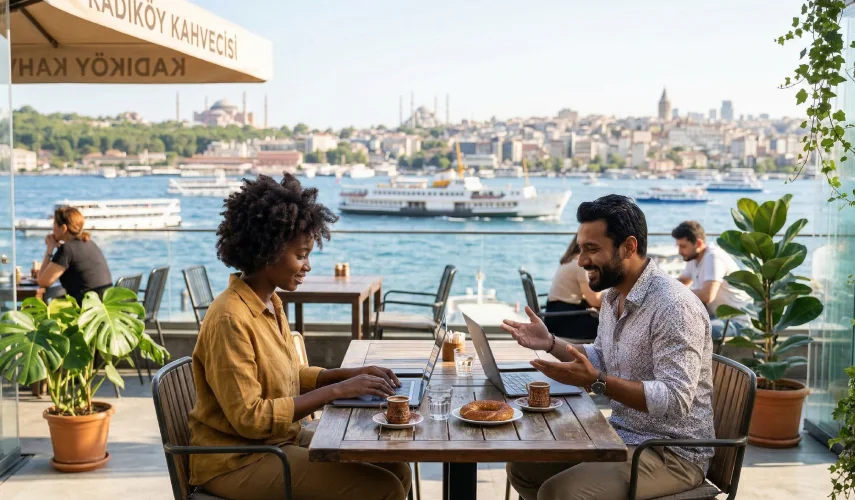
Cost of Living in Istanbul Compared to Western Cities
Operating comfortably in Turkey requires a dual-currency mindset: earn in strong foreign currencies and utilize the Lira's fluctuations to maximize daily purchasing power.
In 2026, a single person can live comfortably for $1,200 to $1,500 per month, while a family of four can maintain a highly premium lifestyle for $2,800 to $4,000.
Here is how average monthly expenses in Istanbul compare to a major Western metro area like Chicago:
Expense Category |
Average Cost in Istanbul (USD) |
Cost Difference vs. Western Metro |
|---|---|---|
1-Bedroom Apartment (City Center) |
$1,000 |
58% Cheaper |
3-Bedroom Apartment (City Center) |
$2,100 |
53% Cheaper |
Basic Utilities (Electric, Heating, Water) |
$70 |
61% Cheaper |
High-Speed Internet (60 Mbps+) |
$12 |
82% Cheaper |
Meal at an Inexpensive Restaurant |
$10 |
50% Cheaper |
Monthly Groceries (Estimate) |
$350 |
42% Cheaper |
Monthly Public Transport Pass |
$40 |
53% Cheaper |
Fitness Club (Monthly Fee) |
$45 |
40% Cheaper |
(Data synthesized from 2025/2026 expatriate cost of living analyses). For investors analyzing the Istanbul vs Dubai cost of living, this data clearly illustrates that Turkey offers a much more accessible entry point for maintaining a premium global lifestyle without the inflated premium expenses of other regional hubs.
Istanbul Real Estate Market Analysis and Investment Opportunities
The property market in Istanbul is undergoing a transitional phase, presenting a rare, once-in-a-decade entry point for foreign capital.
Due to stringent monetary policies and high local interest rates (around 38%), domestic buyers are largely priced out of the mortgage market. This creates a unique "negotiation market" where cash-rich foreign buyers possess immense bargaining power. The speculative, debt-fueled buying of previous years is gone, allowing savvy investors to acquire premium assets at realistic valuations.
The Global Value Proposition: Prices in prime Istanbul areas generally range between $1,300 and $1,800 per square meter. Compared to Western European capitals (routinely exceeding $10,000/sqm) or even Eastern European capitals like Belgrade ($1,500 - $3,000/sqm), Istanbul offers prime properties in a massive, year-round global metropolis for the price of secondary cities.
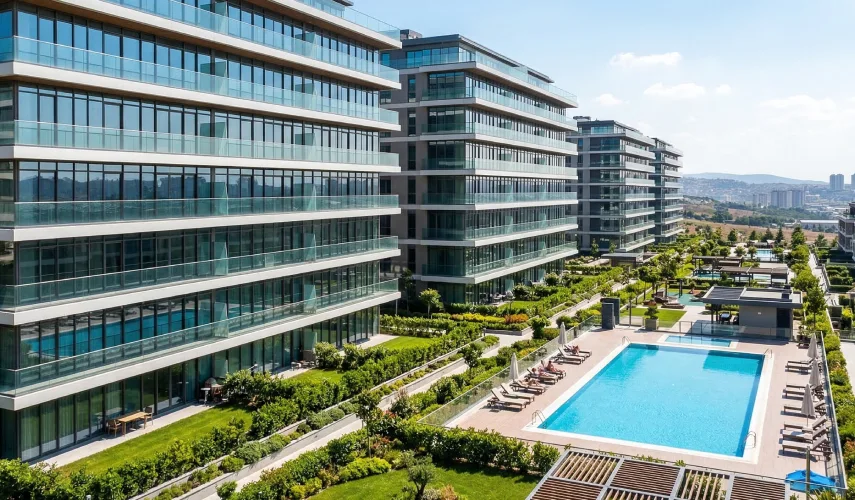
Navigating Property Taxes and Purchasing Costs in Turkey
A comprehensive investment strategy requires absolute transparency regarding closing costs. The sticker price of an Istanbul property is not the final cost. To calculate your true Return on Investment (ROI) in 2026, you must account for the following statutory fees:
- Title Deed Transfer Tax (Tapu Harcı): Set at 4% of the declared property value. Legally, this is split equally between the buyer and seller (2% each), though market dynamics sometimes shift the full burden to the buyer.
- Value Added Tax (VAT/KDV): Ranges from 1% to 20% depending on the size of the property, its location, and whether it is a new commercial or residential development. Strategic Note: Foreign buyers making their first property purchase in Turkey using foreign currency brought from abroad are often legally exempt from paying VAT.
- Earthquake Insurance (DASK): Compulsory annual insurance. The cost is nominal, usually ranging between $15 to $40 per year, depending on the property's size and structural risk profile.
- Monthly Maintenance Fees (Aidat): For properties within modern residential complexes (Siteler) featuring pools, gyms, and security, monthly maintenance fees typically range from $50 to $200.
Best Istanbul Districts for Expats and Real Estate Investors
Istanbul is a multi-centered metropolis. Targeting well-connected neighborhoods is crucial for maximizing both quality of life and long-term rental yields.
- Kadıköy (Asian Side): Safe, culturally rich, and multicultural. The Moda sub-district is a premier destination for digital nomads.
- Beşiktaş (European Side): Central luxury lifestyle with Bosphorus views. High demand ensures robust asset liquidity.
- Başakşehir (European Side): Istanbul’s new urban hub. Features modern urban planning, affordable luxury, and proximity to the New Istanbul Airport. Ideal for families and frequent travelers.
- Ataşehir & Şişli: The commercial heartbeats. Şişli offers traditional corporate density, while Ataşehir is the modern financial district favored by tech workers.
Pathways to Turkish Residency and Citizenship by Investment
Turkey operates one of the world's most straightforward property-based immigration programs.
Securing Turkish Citizenship Through Real Estate Investment
Foreign nationals can obtain full Turkish citizenship by purchasing real estate valued at a minimum of $400,000.
- The Benefit: A Turkish passport offering visa-free/eTA access to over 110 countries.
- The Condition: The property must be held for a minimum of 3 years. Afterward, you are free to sell while retaining citizenship for life.
- Family Inclusion: Covers the main applicant, spouse, and dependent children under 18.
Obtaining a Real Estate Residence Permit in Turkey
If you don't require immediate citizenship, the property-based residence permit is the optimal solution.
- The Rule: The property value must be at least $200,000 (officially stated on the title deed/TAPU).
- The Benefit: Legal status to live in Turkey, access to public healthcare/education, and eligibility to apply for citizenship after 5 years of continuous legal residence.
- Note: Certain dense neighborhoods are closed to new foreign residency registrations. Always consult with a local real estate expert before purchasing.
Looking to Secure Turkish Residency or Citizenship?
Avoid the pitfalls of closed neighborhoods and hidden fees. Book a free consultation with our legal and property experts to find residency-eligible properties tailored to your goals.
Get Free Expert ConsultationQuality of Healthcare and Infrastructure in Turkey
Turkey's exceptionally high quality of life is heavily supported by its healthcare and infrastructure.
A Global Medical Hub: Welcoming nearly 2 million international patients by 2024, Turkey ranks second globally for JCI-accredited hospitals. Expats enjoy immediate access to state-of-the-art, English-speaking private hospitals at a fraction of Western costs.
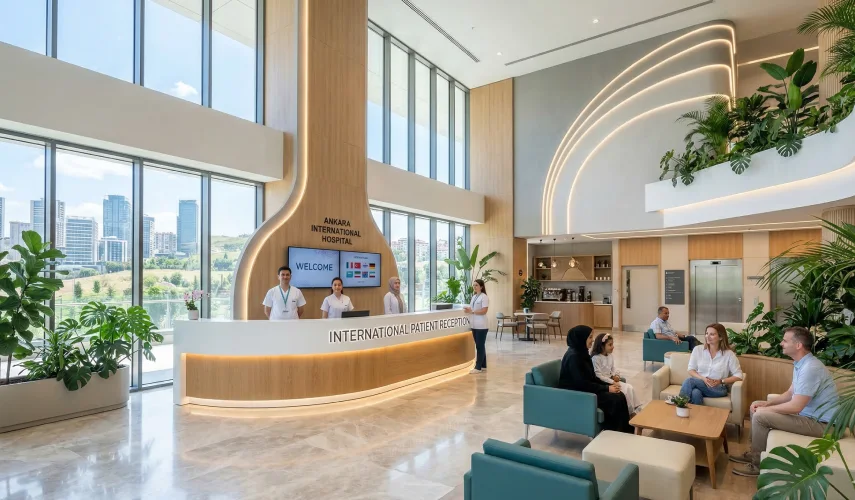
Mega-Projects & Green Architecture:
- Urban Mobility: The Marmaray tunnel and Metrobus network seamlessly connect the Asian and European continents.
- Aviation Dominance: The New Istanbul Airport is expanding to accommodate up to 200 million passengers annually.
- Sustainable Living: Projects like the Ion Riva coastal masterplan and the massive 1.2 million sq. meter Atatürk Airport National Garden highlight the city's shift toward eco-friendly urban living.
International Schools and Education Options for Expats in Istanbul
For expatriate families, the quality of education is just as critical as the real estate market. Istanbul offers a robust network of international schools that provide seamless transitions for children from Western educational systems.
While the public Turkish education system is free, most expat families opt for private international schools that offer globally recognized curriculums, such as the International Baccalaureate (IB), British IGCSE, or American High School Diplomas.
- Top-Tier Options: Institutions like the Istanbul International Community School (IICS), British International School Istanbul (BISI), and MEF International Schools are highly sought after.
- Tuition Costs (2026): Expect annual tuition fees to range broadly from $8,000 to $25,000, depending on the age of the student and the prestige of the institution.
- Bilingual Advantage: Many private schools also offer bilingual education (English/Turkish), allowing children to integrate smoothly into the local culture while maintaining their native language proficiency.
When purchasing a property, especially in family-centric districts like Başakşehir or Göktürk, proximity to these international school bus routes is a major driver of real estate value and rental demand.
Istanbul Cultural Renaissance and Gastronomy Scene
Istanbul's enduring allure lies in its lifestyle. In 2026, the city is experiencing a cultural and gastronomic renaissance.
- Michelin-Starred Dining: The 2026 MICHELIN Guide features 115 recommended establishments across Turkey, including venues with prestigious Green Stars for sustainable gastronomy.
- Galataport: A groundbreaking $1.7 billion redevelopment of the Karaköy shoreline, featuring the world’s first underground cruise terminal, luxury shopping, and the breathtaking new Istanbul Museum of Modern Art.
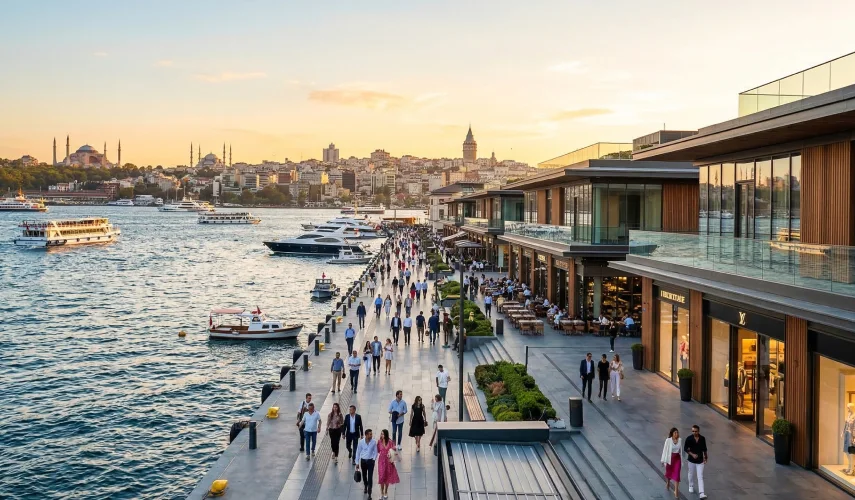
- The Digital Nomad Hub: With the growing interest in the digital nomad visa Turkey 2026 framework, Istanbul and coastal cities are hosting structured nomad festivals and networking events, offering fast digital connectivity and a cosmopolitan lifestyle impossible to replicate at this price point elsewhere.
Strategic Benefits of Investing in Turkey Real Estate
Evaluating the quality of life in Turkey requires looking past standard economic indices. For the international buyer, Istanbul in 2026 represents a highly lucrative convergence of historical timing, profound economic arbitrage, and rapid modernization.
The lower Turkey ranks on domestic economic metrics, the higher the actual purchasing power becomes for the foreign investor. For those who recognize this, purchasing property in Istanbul is not just a real estate transaction; it is a strategic acquisition of a premium global lifestyle at a deeply discounted valuation.
Frequently Asked Questions About Relocating to Turkey
Is it safe for expats to live in Istanbul?
Yes. Major expat hubs in Istanbul, such as Kadıköy, Beşiktaş, and Şişli, boast heavy security presences and low violent crime rates. In global expat surveys, safety and the welcoming nature of the Turkish people consistently rank as top reasons for relocating.
Do I need to speak Turkish to live comfortably?
While learning basic Turkish is highly recommended for daily interactions and building relationships (the local culture values the effort), you can navigate business, private healthcare, and real estate transactions entirely in English, especially in central Istanbul.
Can I open a bank account in Turkey as a foreigner?
Yes. Upon obtaining a potential tax number (Vergi Numarası) and providing a valid passport and proof of address, foreigners can easily open accounts in major Turkish banks like Garanti BBVA, İş Bankası, or Ziraat Bankası, facilitating multi-currency savings and international transfers.
Will the Turkish Lira's volatility affect my property value?
Real estate in prime Istanbul districts holds its intrinsic value tightly. While transactions are conducted in Lira, property valuations in high-demand areas are heavily tethered to USD/EUR equivalents. For foreign investors, the currency depreciation often acts as a buying discount rather than a long-term loss of asset value.
Do I have to pay taxes on my foreign income if I live in Turkey?
If you stay in Turkey for more than 6 months in a calendar year, you may be considered a tax resident. However, Turkey has double taxation treaties with over 80 countries. Many digital nomads and expats structure their finances to minimize local tax liabilities legally. It is highly recommended to consult a local tax advisor before relocating.
Is the healthcare system in Istanbul good for foreign retirees?
Absolutely. When weighing the retire in Turkey pros and cons, the healthcare system is a major advantage. Istanbul boasts a world-class private healthcare system with numerous JCI-accredited hospitals. Expats and retirees can access top-tier medical care, English-speaking specialists, and modern facilities for a fraction of the cost in the US or Europe. You can either pay out-of-pocket or purchase comprehensive local private health insurance starting at around $500–$1,000 per year.
Can I rent out my property in Turkey if I am not living there full-time?
Yes, foreign investors have full rights to rent out their properties. With the booming tourism and expat influx in Istanbul, rental yields are strong. However, new short-term rental regulations require specific licenses for Airbnb-style lettings. Long-term rentals remain a straightforward and highly profitable passive income strategy.