


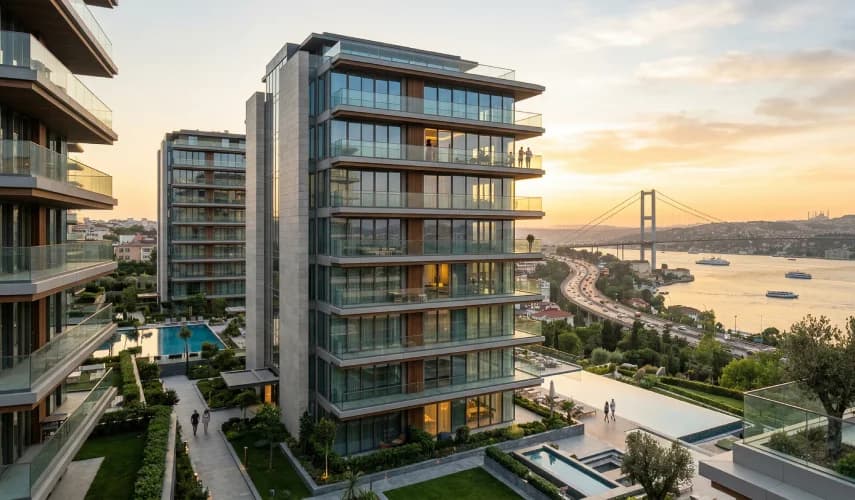
The Turkish real estate market has rapidly evolved into one of the most dynamic, welcoming, and rewarding investment landscapes on the global stage. By bridging the continents of Europe and Asia, the country offers a unique blend of rich cultural heritage, breathtaking geographical diversity, and a highly strategic economic position.
For individuals considering buying a house in Turkey as a foreigner, the current environment in 2026 presents an unprecedented window of opportunity. The regulatory frameworks are now highly transparent, streamlined, and explicitly designed to protect international buyers while offering profound secondary benefits, including pathways to legal residency and full citizenship.
This comprehensive guide is meticulously crafted to navigate every facet of the Turkish property market. Prospective buyers will discover the fundamental legal frameworks, step-by-step purchasing procedures, financial considerations, and an exhaustive analysis of where to buy property in Turkey.
By breaking down complex legal jargon into simple, actionable insights, this report serves as a trusted, expert companion for any international investor, expatriate family, or lifestyle buyer aiming to secure a profitable and beautiful home in the Turkish Republic.
Why Turkey? The 2026 Lifestyle and Investment Landscape
The decision to invest in overseas real estate requires a careful analysis of macroeconomic trends, lifestyle benefits, and long-term capital appreciation potential. In 2026, the Turkish property market offers a highly compelling narrative that satisfies all these criteria for international buyers.
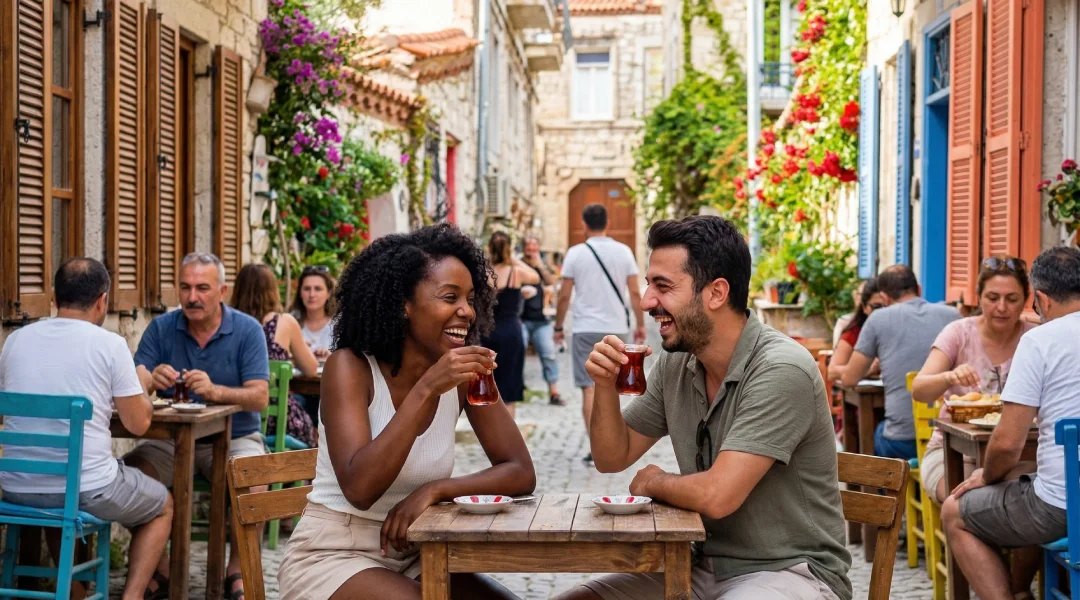
The country provides a captivating Mediterranean lifestyle characterized by over 300 days of sunshine in coastal regions, a world-renowned culinary scene, and a healthcare system that ranks among the best and most accessible in the region. However, beyond the undeniable quality of life, the financial and economic metrics make the market truly stand out.
Macroeconomic Stabilization and the Currency Advantage
The economic landscape in Turkey has entered a phase of stabilization in 2026, following periods of high inflation and currency volatility in previous years. For international buyers holding strong, hard currencies such as the US Dollar, Euro, or British Pound, this dynamic creates a remarkable purchasing opportunity.
The historical depreciation of the Turkish Lira has effectively produced a 15% to 20% discount on high-quality real estate compared to just a few years prior. Consequently, substantial, modern residential properties in major metropolitan or coastal areas remain highly accessible. Buyers can secure luxury homes for $100,000 to $250,000, a price point that is virtually impossible to match in comparable Mediterranean or European economic hubs.
Furthermore, as the Central Bank of Turkey has adjusted policy rates to manage the broader economy—with rates cooling to around 37% by early 2026—inflation has begun to fall towards target bands. This macroeconomic shift is critical because it transitions the real estate market back toward generating real, inflation-adjusted capital gains for property owners.
High interest rates have effectively kept speculative, debt-fueled domestic buying in check, which prevents dangerous price bubbles and creates a "negotiation market" where foreign cash buyers hold significant bargaining power. Property values in major cities are rising steadily in line with inflation, indicating a healthy, resilient market poised for sustainable long-term growth.
Exceptional Rental Yields and Tourism Demand
Turkey remains a global tourism powerhouse, attracting millions of visitors annually to its historical sites, business centers, and coastal resorts. This massive influx of visitors translates directly into lucrative opportunities for property investors.
The country's real estate market is highly resilient because it is largely insulated from an absolute reliance on foreign capital. Strong domestic demand, high internal migration rates, and consistent demographic growth provide a solid foundation for property values. However, foreign investors uniquely benefit from the high demand for both short-term vacation rentals and long-term residential leases.
Rental yields in Turkey consistently outperform many Western European nations, making property acquisition a highly performing financial asset rather than just a lifestyle choice. The table below illustrates the average rental yields across key Turkish cities based on recent market data.
Turkish City | Average Rental Yield | Primary Market Driver |
|---|---|---|
Adana | 11.31% | Domestic commercial and agricultural hubs |
Konya | 10.58% | Industrial growth and student populations |
Istanbul | 8.84% | Corporate transit, tourism, and massive internal migration |
Bursa | 8.52% | Manufacturing sector and proximity to Istanbul |
Ankara | 8.17% | Government personnel, diplomats, and universities |
Izmir | 8.11% | Coastal lifestyle and alternative corporate headquarters |
Antalya | 6.68% | High-volume Mediterranean tourism and expatriate living |
Beyond long-term leases, the short-term vacation rental market offers even higher profitability. Coastal hotspots like Bodrum can generate luxury vacation rental yields ranging from 7% to 12% during the peak Mediterranean summer season, capitalizing on the high-net-worth tourism segment. In Antalya, short-term rentals operate with high occupancy rates, providing investors with substantial cash flow.
The Golden Pathways: Residency and Citizenship Benefits
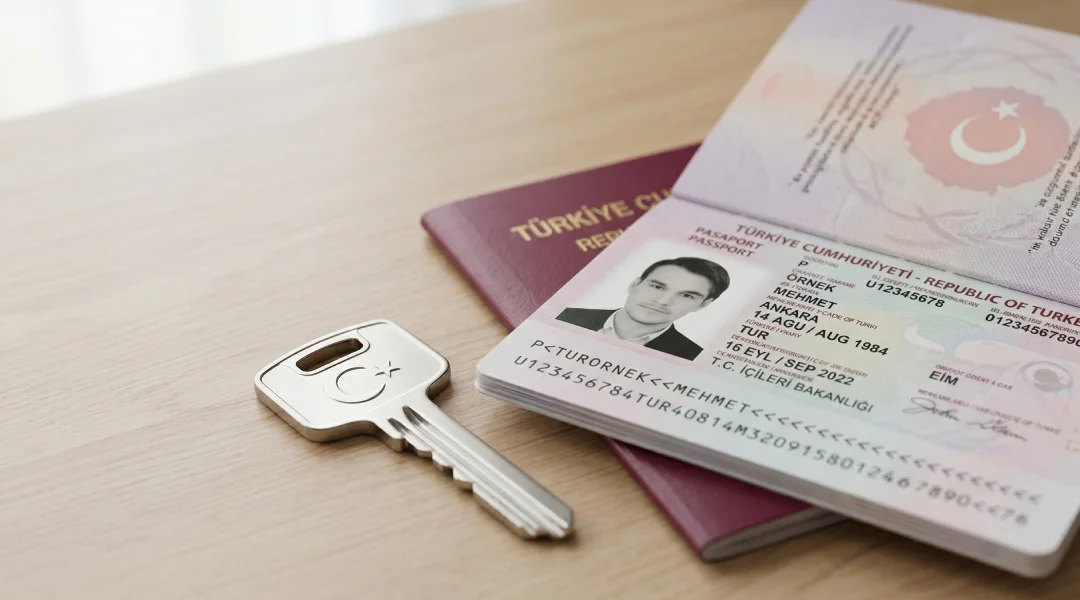
One of the most profound benefits of buying a house in Turkey as a foreigner is the direct integration of real estate acquisition with the country's immigration frameworks. Turkey offers two distinct, highly sought-after legal statuses for property investors: the Short-Term Residence Permit and the Citizenship by Investment Program.
These programs are designed to be straightforward and welcoming, entirely devoid of the complex, multi-year bureaucratic hurdles found in many other nations.
Real Estate Residency in 2026 (The $200,000 Rule)
For individuals looking to relocate, retire, or spend extended periods in the country, obtaining a residence permit through property purchase (Ikamet) is an essential step. Under Article 31 of the Law on Foreigners and International Protection, foreign nationals who acquire immovable property can be granted a renewable short-term residence permit.
In 2026, the Turkish government enforces stringent new regulations to ensure absolute transparency and proper valuation in the residency process. Historically, the investment threshold was set at a flat $75,000, but to stabilize the market and ensure high-quality foreign direct investment, the threshold was officially raised.
To successfully apply for real estate residency today, the purchased property must have a minimum cadastral (official deed) value of $200,000 USD. This value is strictly enforced and must be verified by an independent, government-approved appraisal report prior to the application.
The purchased property must be strictly designated for residential use. If a foreign investor purchases a commercial property, such as an office space or a retail shop, they will not be eligible to apply for this specific residency program.
The residency rights naturally extend to the primary investor's immediate family, encompassing the spouse and any dependent children under the age of 18 (refer to Turkish Residency for Minors for specifics). Holding a property residency permit grants the family legal stability, the freedom to travel seamlessly between Turkish provinces without permits, and full access to the country's high-quality education system.
The application process has also been modernized for 2026. First-time applications must be processed entirely online through the government's e-ikamet portal. Furthermore, applicants must secure comprehensive health insurance from a licensed Turkish company, ensuring they are fully covered during their stay. Residence permits through real estate are highly reliable, boasting near-perfect approval rates compared to standard tourist residencies, which face high denial rates.
Residency Requirement | Previous Rules (Pre-2024) | Current 2026 Regulations |
|---|---|---|
Minimum Investment | $75,000 USD flat rate | $200,000 USD mandatory cadastral value |
Valuation Report | Loosely enforced | Mandatory SPK-approved valuation required |
Application Method | Optional in-person or online | Compulsory online via the e-ikamet platform |
Health Insurance | Open-market global policies accepted | Must be issued by a licensed Turkish company |
Turkish Citizenship by Investment (The $400,000 Rule)
For those seeking the ultimate level of global mobility and integration, the Turkish Citizenship by Investment Program ranks among the most accessible, efficient, and respected in the world. Initiated in January 2017 to attract foreign direct investment and stimulate economic growth, the program provides a direct, highly regulated route to a powerful second passport.
A Turkish passport offers profound global mobility, providing visa-free or visa-on-arrival access to over 110 destinations globally, including major hubs like Japan, Singapore, and Hong Kong. Furthermore, because Turkey is a treaty country with the United States, Turkish citizens are eligible to apply for the coveted E-2 Investor Visa, allowing them to live and operate a business in the USA, provided they meet specific domiciliary requirements.
The primary and most popular pathway to acquiring citizenship involves real estate investment. The investor must acquire one or multiple real estate properties with a combined minimum value of $400,000 USD. This threshold was established in 2022, raised from the previous $250,000 limit, to balance investment attraction with national economic stability.
Strategic Investment Tip
Did you know that purchasing real estate is the most direct pathway to acquiring a second passport? If your property value meets the minimum threshold, you can directly buy turkey citizenship. Discover the exact requirements and regulations in our comprehensive guide on turkey property citizenship for 2026.
Once the property is purchased, a legal annotation is placed on the title deed at the Land Registry, binding the owner to a strict condition: the property cannot be sold or transferred for a minimum period of three years. After this three-year holding period expires, the property can be freely liquidated on the open market without affecting the acquired citizenship status in any way.
Transparency is the cornerstone of the citizenship application. All purchase payments must be routed electronically through the Turkish banking system. Cash transactions are entirely forbidden, and a clear, auditable paper trail is required for government due diligence. Bank transfer records must perfectly align with the independent appraisal reports to confirm the $400,000 threshold has been genuinely met.
While real estate accounts for approximately 95% of all citizenship applications, the Turkish government does provide alternative investment routes for those seeking different portfolio diversifications.
Citizenship Investment Route | Minimum Required Amount | Holding Period |
|---|---|---|
Real Estate Acquisition | $400,000 USD | 3 Years |
Turkish Bank Deposit | $500,000 USD | 3 Years |
Government Bonds | $500,000 USD | 3 Years |
Fixed Capital Investment | $500,000 USD | 3 Years |
Real Estate / Venture Capital Funds | $500,000 USD | 3 Years |
Job Creation | Employ 50 Turkish Citizens | Ongoing |
The processing time for the citizenship application generally ranges from six to eight months, making it one of the fastest programs available globally. Importantly, there is no ongoing residency requirement, nor is there a language proficiency test required to obtain the passport.
Understanding the Legal Boundaries for Foreign Buyers
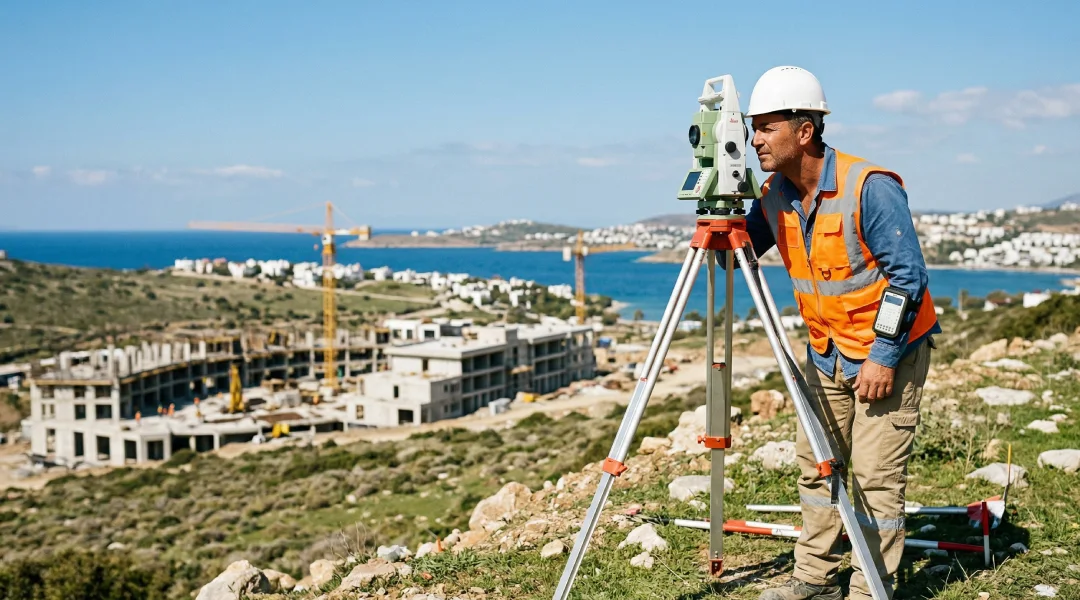
Navigating a foreign legal system can seem daunting, but Turkey has purposefully streamlined its property rules to welcome international capital. Article 35 of the Land Registry Law (No. 2644) serves as the primary legal foundation. In 2012, the government abolished the strict "reciprocity" rule, thereby opening the real estate market to citizens of over 180 countries.
While the market is highly accessible, there are specific regulatory parameters that international buyers must observe to ensure a smooth, legally compliant transaction.
The most prominent rule is the 30-hectare limit. A foreign individual may own a maximum of 30 hectares (approximately 74 acres) of real estate across the entire territory of the Turkish Republic. For the vast majority of residential and commercial investors, this generous limit is purely theoretical and easily accommodated.
To maintain demographic balance and prevent localized monopolies, foreign ownership cannot exceed 10% of the total landmass within any given town or municipal district. The Land Registry strictly monitors this quota and will automatically halt any sale that breaches this threshold.
Furthermore, foreign nationals are strictly prohibited from purchasing properties located within designated military forbidden zones or national security areas. In practice, this requires a standard security clearance check to be conducted at the Land Registry before the title deed can be transferred. If the property is located in a modern residential complex, this clearance is typically obtained by the developer for the very first foreign buyer, turning it into an instant, routine procedure for all subsequent international buyers.
While most global citizens can buy freely, citizens of a few specific nations—such as Cuba, North Korea, Syria, Armenia, and Cyprus—face restrictions or outright bans on property ownership due to historical or diplomatic reasons. Additionally, citizens of bordering countries may face regional restrictions; for example, Greek citizens are legally prohibited from buying property in certain Turkish coastal border provinces.
The law grants foreign nationals the right to acquire almost any type of real estate, provided it sits within areas where private property is permitted. This includes residential apartments, luxury villas, commercial shops, and modern office spaces. Foreigners are also perfectly permitted to purchase vacant land, farms, or agricultural plots.
However, a crucial legal caveat applies to empty land: if a foreigner buys land without any existing construction, they are legally required to develop an architectural building project and submit it to the relevant public administration for approval within two years of the purchase date. This rule exists to ensure that arable or developmental land is actively utilized rather than passively hoarded.
Steps to Buying a House in Turkey for Foreigners
Understanding the bureaucratic journey is vital for a secure and confident transaction. The process of buying a house in Turkey as a foreigner is highly structured and, when guided by competent professionals, can be completed in a remarkably short timeframe. The following steps are designed to protect the buyer and ensure absolute legal compliance at every stage.

Step 1: Research, Property Selection, and Due Diligence
The journey begins with extensive market research and partnering with a licensed, reputable real estate agency. A trusted local agent will help identify properties that align perfectly with the buyer's lifestyle goals and investment budget.
Once a desirable property is located, comprehensive legal due diligence is absolutely paramount to avoid potential real estate fraud. Buyers should never skip a physical inspection trip to evaluate the property's true condition and the surrounding neighborhood. More importantly, a legal check must be performed on the Title Deed (Tapu) to ensure the seller is the rightful legal owner and that the property is completely free from undisclosed mortgages, liens, or ongoing inheritance disputes.
It is also essential to confirm zoning compliance, verify that the building has the proper occupancy licenses, and check the local municipality records for any outstanding utility debts or unpaid property taxes. Once all checks are clear, the buyer and seller sign a preliminary sales contract and a reservation deposit is paid to secure the property.
Step 2: Securing a Tax Number and a Turkish Bank Account
Before any major funds can legally change hands, the foreign buyer must integrate into the Turkish financial system. The very first administrative task is obtaining a Foreigner Identification Number or a local Turkish Tax Number (Vergi Numarası) from the local tax office. This process is exceptionally fast and entirely free of charge.
Next, the buyer must open a local Turkish bank account. This account is strictly required for processing the purchase funds, paying state transfer taxes, and eventually setting up automated direct debits for ongoing household utilities. Opening the account typically requires the newly acquired tax number, an original passport, and a utility bill from the buyer's home country to serve as official proof of their overseas residential address.
Step 3: The Mandatory Property Valuation Report (Expertiz)
To prevent tax evasion, artificially inflated prices, and to ensure foreign buyers are paying fair market value, the Turkish government mandates an independent property valuation report for all real estate sales involving foreign nationals.
This comprehensive report must be compiled by a certified appraiser officially appointed by the Capital Markets Board (SPK). The appraiser visits the property, compares it against current market data, and establishes its true official value. This step is particularly critical if the purchase is being used to apply for the $200,000 residency program or the $400,000 citizenship program, as the government relies entirely on this report to verify the investment threshold has been met.
Step 4: The Foreign Currency Purchase Certificate (Döviz Alım Belgesi)
A relatively recent and highly crucial step in the Turkish property buying process is the acquisition of the Döviz Alım Belgesi (DAB), or the Foreign Currency Purchase Certificate. Implemented to support national foreign exchange reserves, the government requires that the foreign currency intended for the property purchase be officially sold to the Central Bank of Turkey through a local commercial bank prior to the transaction.
The buyer transfers their foreign currency (such as USD, EUR, or GBP) into their new Turkish bank account, and officially requests the bank to exchange the funds into Turkish Lira and issue the DAB.
For the certificate to be legally valid and accepted at the Land Registry, it must be meticulously detailed. It must explicitly state the buyer's full first and last name, their passport number, the exact foreign currency amount exchanged, its equivalent value in Turkish Lira, and contain a specific legal annotation referencing Article 13 of the Capital Movements Circular (or Article 20 for citizenship applications). Without presenting this precise document, the title deed transfer will be outright rejected.
Step 5: Finalizing the Sale at the Land Registry (Tapu Transfer)
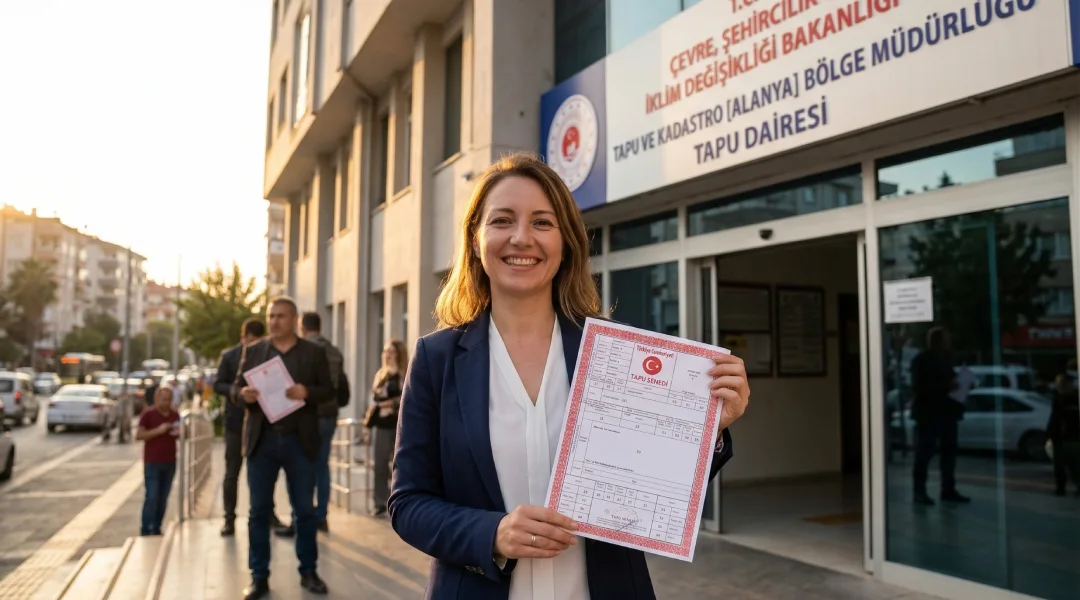
In Turkey, property ownership does not legally transfer at a notary public; preliminary sales contracts signed at a notary only serve as a commitment to buy. The absolute, binding transfer of ownership occurs exclusively at the General Directorate of Land Registry and Cadastre (Tapu ve Kadastro Genel Müdürlüğü).
On the day of the appointment, the buyer and seller (or their legal representatives acting under a notarized Power of Attorney) meet at the Tapu office. The buyer must present a robust dossier of documents, including:
A valid passport accompanied by a notarized Turkish translation.
The local Turkish Tax Number and recent biometric photographs.
The mandatory SPK Property Valuation Report.
The original Döviz Alım Belgesi (DAB).
A compulsory national earthquake insurance policy, widely known as DASK.
Clear proof of payment, such as bank receipts, demonstrating the funds have successfully reached the seller's account.
Because all legal proceedings at the registry are conducted entirely in the Turkish language, the law requires the physical presence of an official, sworn translator to ensure the foreign buyer perfectly understands the contract they are signing. Once the official ledgers are signed by both parties, the physical title deed is handed over, and the buyer becomes the undisputed legal owner of the property.
Step 6: Post-Purchase Formalities and Registration
Following the successful acquisition of the title deed, the new owner's responsibilities are nearly complete, but a few local administrative steps remain. The owner must visit the local municipal office (Belediye) to officially register the property under their name for annual property tax purposes, a process known as Emlak Beyanı.
Finally, the buyer must transfer the essential utility subscriptions—such as electricity, water, and natural gas—into their own name. With these final steps concluded, the property is fully ready for occupation, renovation, or rental.
Timeline Comparison: Resale vs. Off-Plan Properties
The timeline for completing these steps varies depending on the type of property purchased. Resale (second-hand) properties can be processed incredibly fast, while off-plan (under construction) properties require waiting for the project's completion before the final title deed is issued.
Purchasing Step | Resale Property Timeline | Off-Plan Property Timeline |
|---|---|---|
Tax Number & Bank Account | Days 1 to 7 | Days 1 to 7 |
SPK Appraisal Report | Days 4 to 10 | Days 4 to 10 |
Title Deed (Tapu) Transfer | Days 7 to 15 | Within 1 week after project delivery |
Financial Breakdown: Closing Costs, Taxes, and Fees
A thorough and realistic financial plan is vital when buying a house in Turkey as a foreigner. Buyers must accurately account for various property side costs, which typically range from 5% to 10% of the total purchase price, depending on whether the property is a simple resale home or a brand-new development.
The Turkish market is highly transparent regarding fees, ensuring buyers are not caught off guard by hidden expenses.
Expense Type | Description & Estimated Cost Percentage |
|---|---|
Title Deed Transfer Tax (Tapu Harcı) | The standard state tax is 4% of the declared property value. By law, this is meant to be split equally (2% buyer, 2% seller), though standard market practice often sees the buyer assuming the full 4% during negotiations. |
Value Added Tax (VAT / KDV) | Applicable primarily to new-build commercial and residential properties. The rate is typically 1% or 8%, depending on the property's size and specific municipal zoning. Older resale properties are usually exempt from this tax. |
Real Estate Agent Fees | The standard real estate commission rate is 4% total, legally split as 2% charged to the buyer and 2% to the seller. |
SPK Valuation Report | The mandatory government-approved appraisal generally costs around $300 to $500 USD, depending on the property's size and location. |
Notary, Translation & Legal Fees | Translation of passports, notarized powers of attorney, and the sworn translator at the Tapu office usually amount to roughly 0.5% to 1% of the purchase price. Engaging an independent property lawyer generally costs an additional 1%. |
Owning real estate in Turkey is remarkably cost-effective compared to Western standards. The ongoing annual property tax for a standard residential home is exceptionally low, generally ranging from 0.1% to 0.2% of the municipality's officially assessed value. Major metropolitan areas like Istanbul tend to apply the 0.2% rate, while smaller, provincial areas apply the 0.1% rate.
Additionally, homeowners must renew their compulsory DASK earthquake insurance annually. If the property is situated within a modern residential complex, the owner will also be responsible for paying a monthly maintenance fee (Aidat). This fee is strictly regulated and covers the upkeep of shared amenities such as swimming pools, security guards, landscaping, and gymnasiums.
Where to Buy Property in Turkey: Top Investment Hubs
Deciding exactly where to buy property in Turkey depends entirely on the buyer's ultimate lifestyle goals and financial strategy. Whether prioritizing high rental yields, a serene retirement destination by the sea, or capital preservation in a bustling metropolis, the country's vast geography offers highly distinct micro-markets.
The Mediterranean and Aegean Coasts: Sun, Sea, and High Yields
The southern and western coastlines of Turkey are magnets for tourism and expatriate living, offering spectacular scenery and highly profitable short-term rental markets.
Antalya: Often referred to as the pearl of the Mediterranean, Antalya represents Turkey's second-largest real estate market and a massive hub for foreign investment. It is exceptionally popular among Russian, German, and British nationals. The city recorded a staggering 25.7% property growth rate in recent periods. It is an ideal location for buyers seeking 300 days of sunshine, stunning sandy beaches, and consistent short-term holiday rental income driven by a relentless tourist influx.
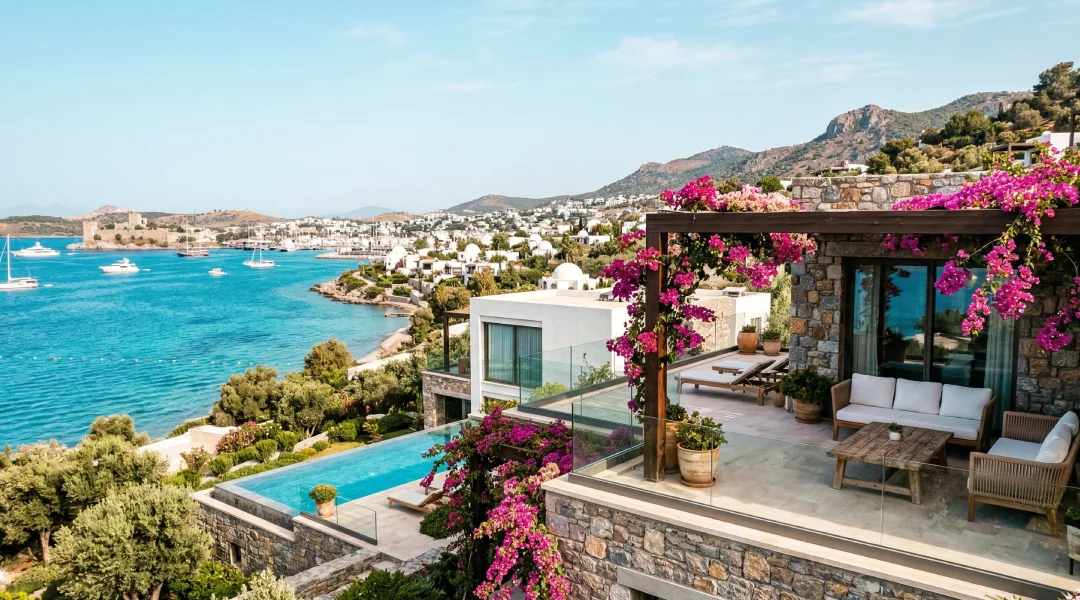
Muğla Province (Bodrum & Fethiye): For those seeking exclusivity and high-end luxury, the Muğla region is the undisputed champion, showing a massive 26.1% growth rate. Bodrum, situated on a stunning Aegean peninsula, is famous for its chic marinas, luxury villas nestled in the hillsides, and a serene, upscale atmosphere. The luxury vacation rental market here is highly profitable, with elite properties generating yields of 7% to 12% during the bustling summer months. Further down the coast, Fethiye is celebrated for its breathtaking natural beauty, particularly the famous Ölüdeniz lagoon. It offers a slightly more tranquil and affordable alternative to Bodrum, highly favored by British expatriates looking for spacious villas and a strong sense of community.
Izmir: As Turkey's third-largest city, Izmir brilliantly combines traditional Aegean charm with a dynamic, modern economy. It serves as a strategic commercial port and offers a deeply relaxed, coastal urban lifestyle. It is highly sought after by buyers who want the conveniences of a major metropolis, excellent schools, and vibrant nightlife, but without the intense congestion associated with larger cities.
The Urban, Political, and Industrial Centers
Moving away from the strictly tourist-driven coasts, Turkey's inland and Marmara regions offer stability, industrial growth, and excellent long-term capital appreciation.
Ankara: The political capital of Turkey holds a critical place in the nation's economy and administration. Property prices in Ankara are generally more affordable than in Istanbul, and the city offers excellent opportunities for family living. Because it houses major universities, embassies, and government ministries, investors enjoy incredibly steady rental demand and high occupancy rates from government employees and students.
Bursa, Kocaeli, and Tekirdağ: These cities are rapidly developing industrial and logistics powerhouses located near the Marmara Sea. Kocaeli, for instance, showed a 22.2% growth rate due to its low cost of living, massive factory production, and excellent transport networks connecting it directly to Istanbul and Ankara. Bursa, just a short ferry ride from Istanbul, features rapid population growth and expanding housing demand, making it a prime location for medium-term investments and more economical property purchases. Tekirdağ, positioned west of Istanbul, offers coastal living alongside significant historical legacies and robust infrastructure growth.
The Crown Jewel: Where to Buy Property in Istanbul
When discussing Turkish real estate, it is absolutely impossible to ignore the gravitational pull of Istanbul. As a transcontinental megacity bridging Europe and Asia, it is the economic, cultural, and historical heart of the nation.
For international investors, determining the best areas to buy a home in Istanbul is undeniably the smartest move due to its unparalleled liquidity, highly diverse property portfolio, and relentless domestic and international demand. The city leads all Turkish provinces in sales volumes, demonstrating a fundamentally healthy demand driven by a vast population and endless corporate transit. For a comprehensive overview, you can check our Guide to Buying a Home in Istanbul.
The city is broadly divided into two distinct continents, separated by the majestic Bosphorus Strait, with each side offering unique lifestyle and investment opportunities across various neighborhoods of Istanbul.
European Istanbul: Commerce, History, and Prestige
The European side of Istanbul is the historical core and the primary engine of global business. It is fast-paced, deeply connected via massive metro networks, and hosts the majority of the city's iconic landmarks, luxury malls, and corporate headquarters.
Beşiktaş, Şişli, and Nişantaşı: These historic districts represent the absolute zenith of luxurious neighborhoods in Istanbul. Beşiktaş, with its historic waterfront neighborhoods like Bebek and Arnavutköy, offers extreme prestige, luxury cafes, and highly resilient property values that withstand any market downturn. Şişli, particularly areas like Nişantaşı and Bomonti, is the commercial and fashion hub of the city. It attracts affluent professionals, diplomats, and lifestyle-driven buyers who demand high-end boutiques, fine dining, and prime central accessibility. Properties here command the highest price per square meter, often ranging from $5,000 to $7,000 USD.
Beylikdüzü and Başakşehir: For investors seeking modern infrastructure, extensive amenities, and affordability, these western districts are expanding rapidly. Başakşehir has emerged as a top choice among Gulf and Arab investors due to its family-friendly environment, wide green spaces, modern massive hospital complexes, and close proximity to the new Istanbul Airport. Beylikdüzü offers beautiful coastal marinas, brand-new housing projects, and a highly organized urban grid, making it an excellent entry-level investment with strong capital appreciation potential driven by a growing expatriate community.
Asian Istanbul: Culture, Greenery, and Bohemian Charm
The Asian (Anatolian) side of Istanbul is generally characterized by wider, tree-lined streets, more abundant green parks, a slightly slower pace of life, and a deeply entrenched, authentic local culture.
Kadıköy: This district is the beating heart of the Asian side and a cultural hub. Neighborhoods like Moda, Suadiye, and Caddebostan offer a vibrant, bohemian charm with endless cafes, art galleries, and a famous 3-kilometer coastal promenade stretching along the Marmara Sea. The area boasts excellent public and international schools and is incredibly popular among expatriate families and young professionals. Premium sea-view units here hold their value exceptionally well, making it a safe, high-yield investment.
Üsküdar and Beykoz: Üsküdar provides a deep sense of historical charm, stunning local mosques, and some of the most spectacular, unobstructed views of the Bosphorus Strait. Further north along the water, Beykoz offers a highly exclusive retreat into nature. Known for its vast, protected forests and luxury villa compounds (such as Acarkent), it is the premier destination for high-net-worth individuals seeking ultimate privacy and open space without ever leaving the city limits.
The Ultimate Investment Hotspot: The Basın Ekspres Corridor
For investors strictly focused on massive ROI, corporate real estate, and future capital appreciation in 2026, the Basın Ekspres corridor is arguably the most strategic and lucrative location in the entire city.
Located primarily within the Bağcılar district on the European side, this major multi-lane highway connects the E-5 and TEM motorways, serving as the direct, primary artery to the massive Istanbul Airport.
Not long ago, Basın Ekspres was an industrial zone dominated by warehouses and factories. Today, massive government-backed urban transformation projects have rapidly converted the corridor into the "Wall Street of Istanbul". The area is currently teeming with branded luxury hotel apartments, A-class corporate office towers, and mega-malls like the famous Mall of Istanbul.
Because land prices in this corridor have not yet reached the saturation levels of older central financial districts like Levent or Maslak, smart investors can acquire premium, high-tech property at a fraction of the cost. This positions buyers perfectly for dramatic capital appreciation as the corridor's infrastructure, including new metro lines, fully matures. With its proximity to the airport and major exhibition centers, it is an absolute goldmine for business tourism, medical tourism, and highly profitable short-term corporate rentals.
Istanbul District | Primary Appeal & Vibe | Average Price Tier | Target Investor Profile |
|---|---|---|---|
Beşiktaş / Şişli | Prestige, Bosphorus, Luxury Shopping | Highest ($5k-$7k/sqm) | High-net-worth lifestyle buyers |
Kadıköy / Moda | Bohemian, Coastal Parks, Family Focus | High ($2k-$4k/sqm) | Expat families, long-term yield seekers |
Başakşehir | Modern infrastructure, Airport proximity | Medium | Gulf investors, large families |
Basın Ekspres | Corporate hubs, Hotels, Transit links | Medium | ROI-focused, corporate rental investors |
Beylikdüzü | Organized urban grid, Marinas, Greenery | Entry / Medium | First-time buyers, budget investors |
Frequently Asked Questions (FAQ)
Can foreigners buy property in Turkey without restrictions?
Yes, citizens from over 180 countries can legally purchase freehold real estate in Turkey with absolute ease. The process is highly regulated and welcoming. The primary restrictions to be aware of are that an individual cannot purchase more than 30 hectares of land nationally, cannot own more than 10% of the land in a specific municipal district, and cannot buy property located within actively designated military or national security zones.
Is a Turkish bank account strictly required to buy a house?
Absolutely. To complete a real estate transaction legally and securely, foreign buyers must open a local Turkish bank account. All property funds must be transferred through the official banking system to create a transparent, auditable paper trail. More importantly, the foreign currency must be officially exchanged via the Turkish bank to obtain the mandatory Döviz Alım Belgesi (Foreign Currency Purchase Certificate) prior to the deed transfer.
How long does the property buying process take to complete?
If a buyer has their finances organized and the necessary documentation prepared, the process of buying a house in Turkey is exceptionally fast compared to many bureaucratic European nations. Obtaining tax numbers, opening bank accounts, and securing the appraisal report takes just a few days. Once the final documents are submitted to the Land Registry, the official Tapu (title deed) transfer and final signatures can generally be completed within 1 to 7 days.
Can foreign investors legally rent out their properties in Turkey?
Yes, without any hesitation. Foreigners who own property in Turkey possess the exact same freehold property rights as Turkish citizens, which naturally includes the right to lease the property to generate rental income. The market offers incredibly robust opportunities for both long-term residential leases and highly profitable short-term vacation rentals (such as Airbnb), particularly in tourist-heavy cities like Istanbul, Antalya, and Bodrum.
Conclusion & Strategic Next Steps
Entering the Turkish real estate market in 2026 presents a rare and powerful convergence of lifestyle enhancement, economic opportunity, and highly advantageous legal benefits. From the stunning, sun-drenched coastal retreats of the Mediterranean to the soaring, glass-fronted financial towers of Istanbul's Basın Ekspres corridor, the landscape is incredibly ripe with options tailored to every conceivable investment strategy.
By deeply understanding the legal frameworks, preparing meticulously for the necessary bureaucratic steps like the SPK valuation and the currency exchange certificate, and targeting the most lucrative neighborhoods, international buyers can secure highly profitable and beautiful assets that will endure for generations.
For those ready to take the decisive next step in acquiring overseas property, navigating the profound nuances of foreign law and local market trends is best achieved with dedicated expert guidance. Prospective buyers are gently encouraged to contact the dedicated consulting team for free, comprehensive advice on finding the perfect investment, facilitating seamless legal transfers, and successfully buying property in Istanbul and beyond.